
Secondary glazing#
Secondary glazing can be a very good option in some buildings, especially if changes to the original glazing are not allowed. It has the advantage of improving the window draughtproofing - in some installations ventilation in winter can be supplied just by opening the secondary glazing a crack. It’s generally cheaper than double glazing but perhaps half as effective. A lot depends on how well the windows fit and the distance between the panes. 12mm is the ideal for heat loss, although a bigger distance is better for noise reduction.
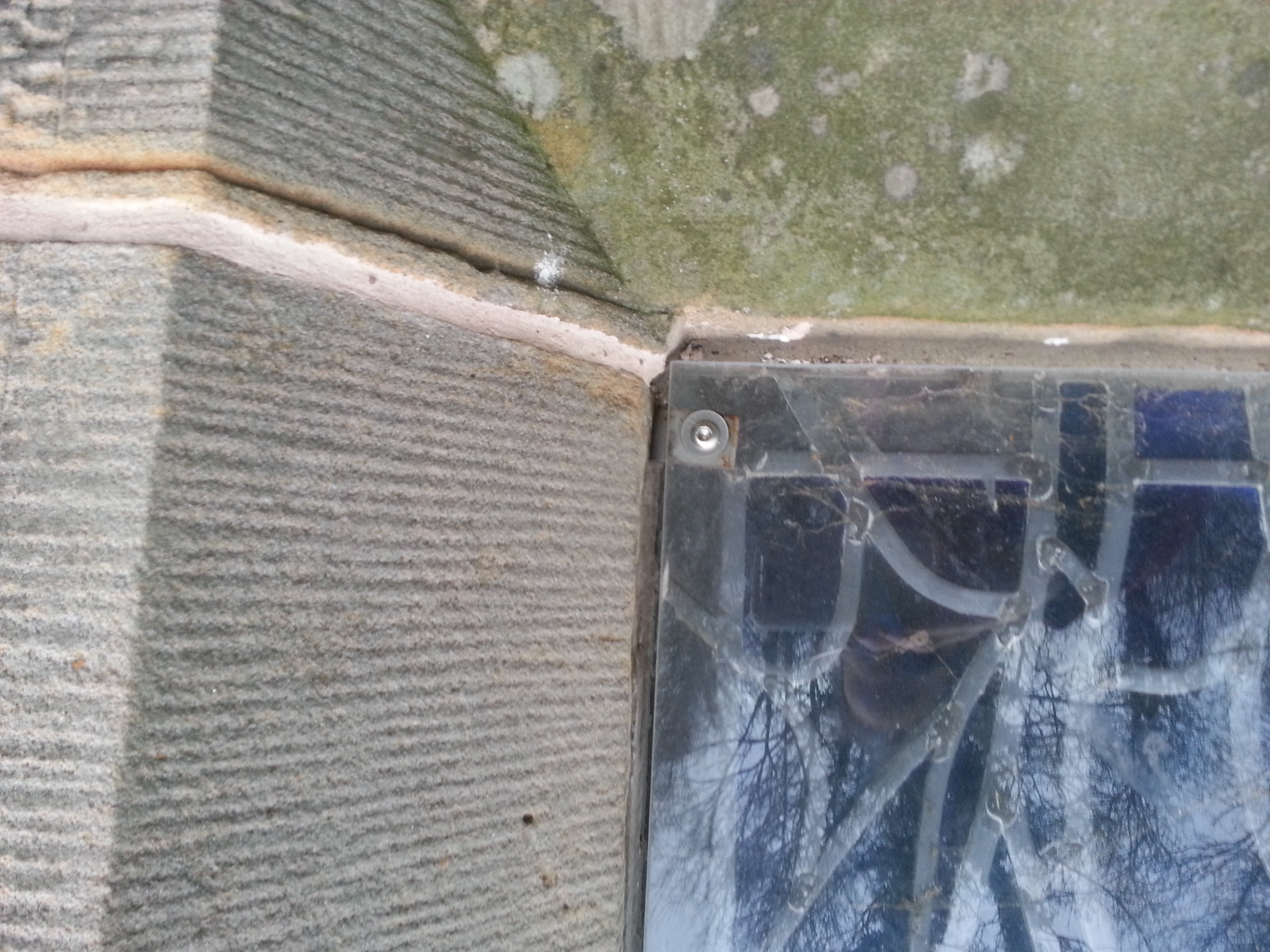
Be cautious if your glass is decorative. Stained glass needs good airflow around it because any condensation will leach the chemicals out of the glass and ruin the colours. The usual strategy is to put the secondary glazing on the outside of the window with a large gap so there is good airflow on both sides of the window. This of course reduces its effectiveness. During the last energy crisis in the 1970’s, many churches put in interior secondary glazing and then had to remove it. There are churches where it’s been tried and works well, though. If you are considering this option, quiz your supplier carefully, talk to their previous heritage clients, and keep in mind that every heritage building is unique - what works for one might not work for another.
If you need to apply for listed building consent to make changes to a historic window, be very clear why you want the secondary glazing and that ventilation has been considered in the design. Planners often assume you only want to protect the window against vandalism and insist on metal grilles instead because they are less noticeable. If your windows aren’t that high profile, or if the glazing will make the difference between a building that’s usable and one that could become disused or abandoned, your application is more likely to be approved.